
Why Every Bank Needs a Smart Bank Locker Management System Project
Banks have always carried the responsibility of protecting what matters most to their customers. While digital banking continues to evolve rapidly, physical assets stored inside bank lockers remain a critical part of financial security. Jewellery, legal documents, family heirlooms, confidential records and high-value items still depend on secure locker facilities.
However, traditional locker management practices are increasingly under scrutiny. Regulatory expectations are rising. Customers demand transparency. Internal risk management frameworks are tightening. Manual registers and mechanical key systems are no longer sufficient.
This is where a well-planned bank locker management system project becomes essential. A smart, digitally enabled locker management system strengthens security, improves compliance, enhances customer confidence and supports operational efficiency across branches.
What Is a Smart Bank Locker Management System?
A smart bank locker management system is a technology-driven platform designed to digitise, monitor and control locker access and operations within a bank.
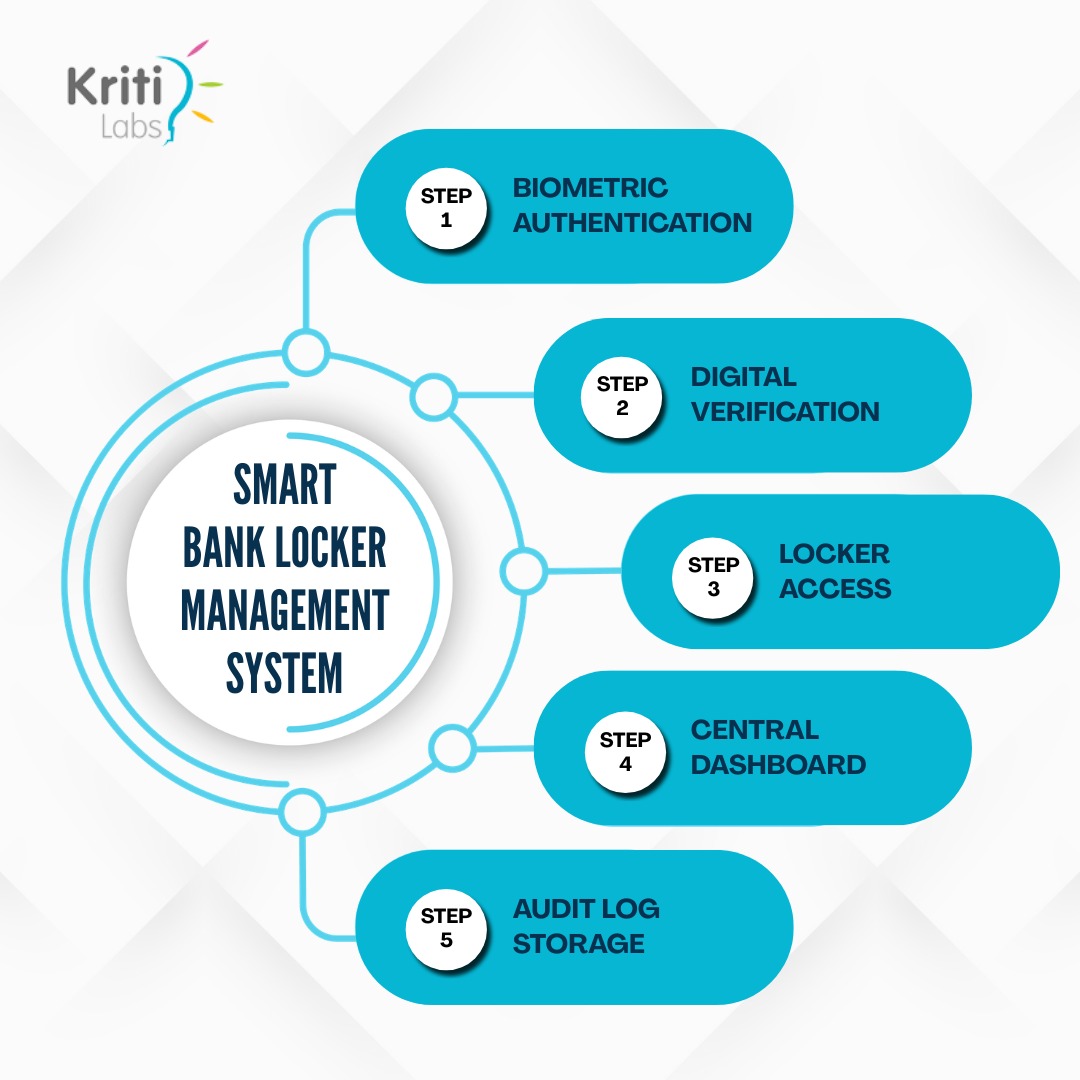
Instead of relying solely on physical keys and paper-based logs, the system integrates:
- Biometric authentication
- Digital access control
- Centralised dashboards
- Cloud-based audit trails
- Real-time monitoring
- Automated reporting
This transformation turns locker management from a manual administrative function into a structured and intelligent security process.
Traditional Locker System vs Smart Locker System
Traditional systems depend heavily on dual keys, physical registers and manual supervision. A smart system introduces structured authentication, digital logs and central visibility across branches. This shift reduces operational ambiguity and improves accountability.
Why Traditional Locker Management Is No Longer Enough
Manual Records Increase Risk
Paper registers are vulnerable to errors, delayed entries and tampering. Retrieving historical access data during disputes or audits can be time-consuming and inefficient.
Limited Visibility Across Branches
For banks operating multiple branches, it becomes difficult to maintain consistent oversight. Head offices often rely on periodic reporting rather than real-time monitoring.
Security Gaps
Physical key duplication, human error and delayed detection of irregular access can create vulnerabilities. Even minor procedural lapses may lead to serious reputational damage.
Compliance Pressure
Banking regulators increasingly emphasise transparency in locker operations. Banks must maintain accurate documentation of access, allocation and dispute handling. Manual processes struggle to meet these expectations.
A structured bank locker management system project addresses these risks through digital control and audit readiness.
Core Benefits of a Smart Bank Locker Management System Project
Enhanced Security Through Multi-Layer Authentication
Modern systems integrate biometric verification, OTP authentication or role-based access control. This ensures that only authorised individuals can access a locker. Each access attempt is time-stamped and recorded digitally, reducing the risk of unauthorised entry.
Real-Time Monitoring and Alerts
Smart locker systems can integrate with CCTV and AI-based video monitoring. Any unusual activity, unauthorised attempt or procedural deviation can trigger immediate alerts. This reduces incident response time and strengthens overall branch security.
Centralised Multi-Branch Oversight
A central dashboard enables monitoring across all branches. Senior management can review access logs, compliance reports and locker usage data from a single interface.
Automated Audit Trails
Digital logs create a tamper-resistant audit trail. During regulatory inspections or customer disputes, banks can quickly retrieve verified access history.
Improved Customer Confidence
Customers feel reassured when locker access follows structured authentication and digital tracking. Faster verification also reduces waiting time and improves overall service quality.
Key Features in a Smart Bank Locker Management System Project
- Biometric or multi-factor authentication
- OTP-based access confirmation
- Role-based permissions for staff
- Digital locker allocation and renewal management
- Cloud-based reporting dashboard
- Real-time alerts and notifications
- Secure data storage with encryption
- Integration with CCTV and surveillance systems
The Role of AI and IoT in Modern Locker Management
AI-Based Monitoring
Artificial intelligence can identify unusual access patterns, repeated failed attempts or behaviour anomalies. It supports preventive security rather than reactive investigation.
IoT-Enabled Locker Status Monitoring
Sensors embedded within lockers can track open or closed status, tampering attempts and environmental conditions where required.
These technologies transform locker systems into intelligent assets rather than passive storage units.
Risk Mitigation Through Digital Locker Systems
- Internal misuse or unauthorised access
- Disputes regarding locker opening history
- Compliance gaps during audits
- Delayed incident response
- Inconsistent branch-level procedures
Digital logs and centralised oversight create accountability across the organisation.
Regulatory and Compliance Considerations
- Access history
- Customer authorisation
- Staff involvement
- Locker allocation and renewal
A digital system ensures that this information is securely stored and easily retrievable. Cloud-based infrastructure with encryption and access control further strengthens data protection standards.
Implementation Strategy for Banks
Step 1: Process Assessment
Evaluate current locker operations, identify risk gaps and document compliance challenges.
Step 2: Technology Integration
Determine whether to retrofit existing lockers with digital control or deploy a new smart locker infrastructure.
Step 3: Staff Training
Ensure employees understand authentication procedures, dashboard usage and compliance documentation.
Step 4: Phased Rollout
Begin with selected branches, assess performance and gradually expand across the network.
Cost Versus Long-Term Value
- Reduced fraud-related losses
- Lower administrative workload
- Simplified compliance audits
- Faster dispute resolution
- Improved operational consistency
- Strengthened brand credibility
A bank locker management system project should be viewed as a risk mitigation and governance investment rather than a cost centre.
The Future of Smart Banking Infrastructure
- Deeper AI-driven behavioural analysis
- Integrated branch-wide security dashboards
- Predictive maintenance alerts for locker infrastructure
- Enhanced mobile-based authentication systems
As expectations grow, banks that adopt intelligent locker management systems early will be better positioned to maintain trust and regulatory alignment.
Conclusion
Locker services remain a cornerstone of traditional banking. However, managing them through manual processes no longer aligns with modern risk management standards.
A well-designed bank locker management system project strengthens security, improves compliance, enhances transparency and builds customer confidence.
Rather than simply storing valuables, banks can create a structured and accountable security environment that reflects contemporary governance standards.
In today’s regulatory climate and competitive market, investing in intelligent locker management is no longer optional. It is a strategic necessity.
Frequently Asked Questions (FAQs)
1. What is a bank locker management system project?
A bank locker management system project involves implementing a digital platform that automates and secures locker operations within a bank.
2. How does a smart locker management system improve security?
A smart system enhances security through multi-factor authentication such as biometrics and OTP verification, along with digital audit trails.
3. Can a bank locker management system help with regulatory compliance?
Yes. It ensures accurate logging of access history, customer verification and staff involvement, simplifying audits.
4. Is customer data safe in a cloud-based locker management system?
Modern systems use encrypted cloud storage with strict access controls, ensuring confidentiality and traceability.
5. What challenges can banks face during implementation?
Challenges include integration, staff training and initial costs, which can be managed through phased rollout.
6. How does AI contribute to a bank locker management system project?
AI detects unusual behaviour, analyses access patterns and enables preventive security measures.
7. Is a smart locker management system suitable for multi-branch banks?
Yes. It provides centralised monitoring and unified dashboards across all branches.